09:00–09:15
Opening
Robert Wille

Robert Wille
AWS
MQSC & TUM

Hide presentations
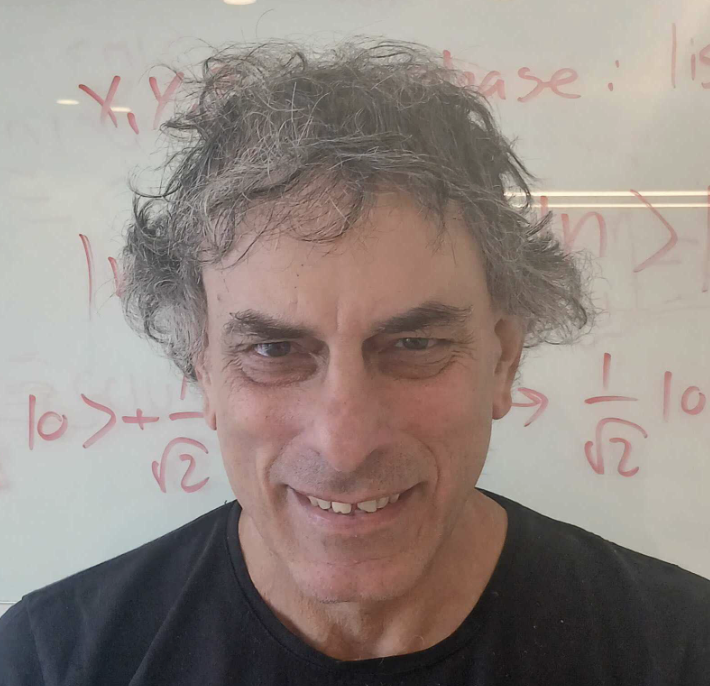
Classiq
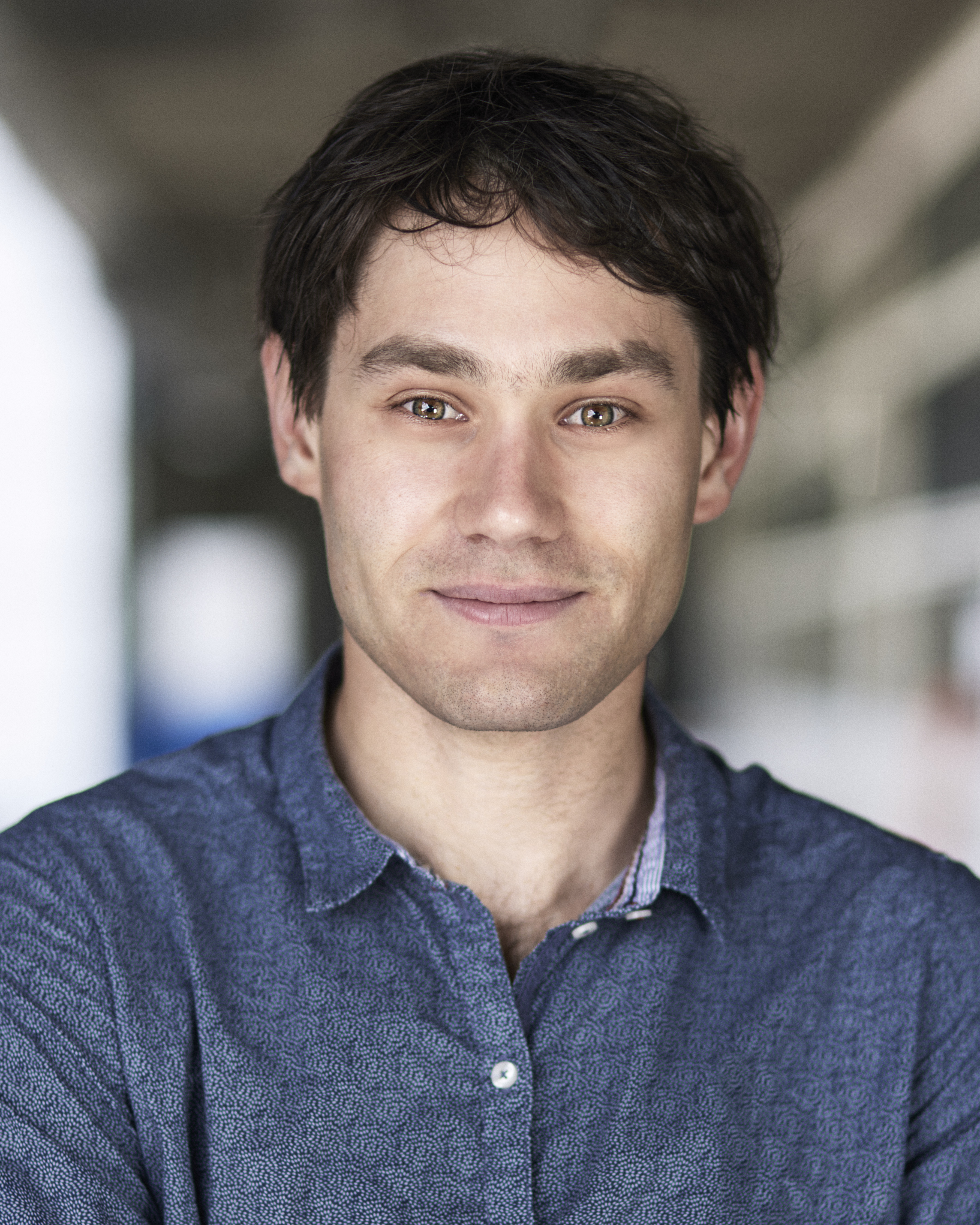
Alice & Bob
Hide presentations
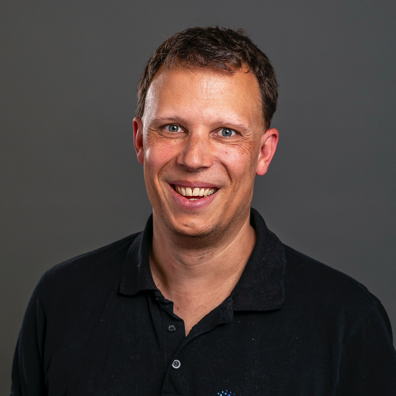
Everything Works at Eight Qubits: Building Quantum Algorithms That Scale
Quantum algorithms that work convincingly at small scale routinely fail at the scale where the underlying problems become interesting — often because the bottleneck limiting an algorithm at small sizes is not the one that limits it at relevant sizes.
This raises the central question the talk addresses: how to build algorithms that scale for a machine that does not yet exist and cannot be benchmarked against. planqc’s approach uses tensor networks to study problems at realistic sizes and with realistic structure entirely on classical computers, revealing where a method breaks down before we commit to it — I will show results from industrial optimisation problems. The second half of the problem is the algorithms themselves: I will present our work on making variational methods trainable at scale, which is what turns a classical insight into something a quantum computer can execute.
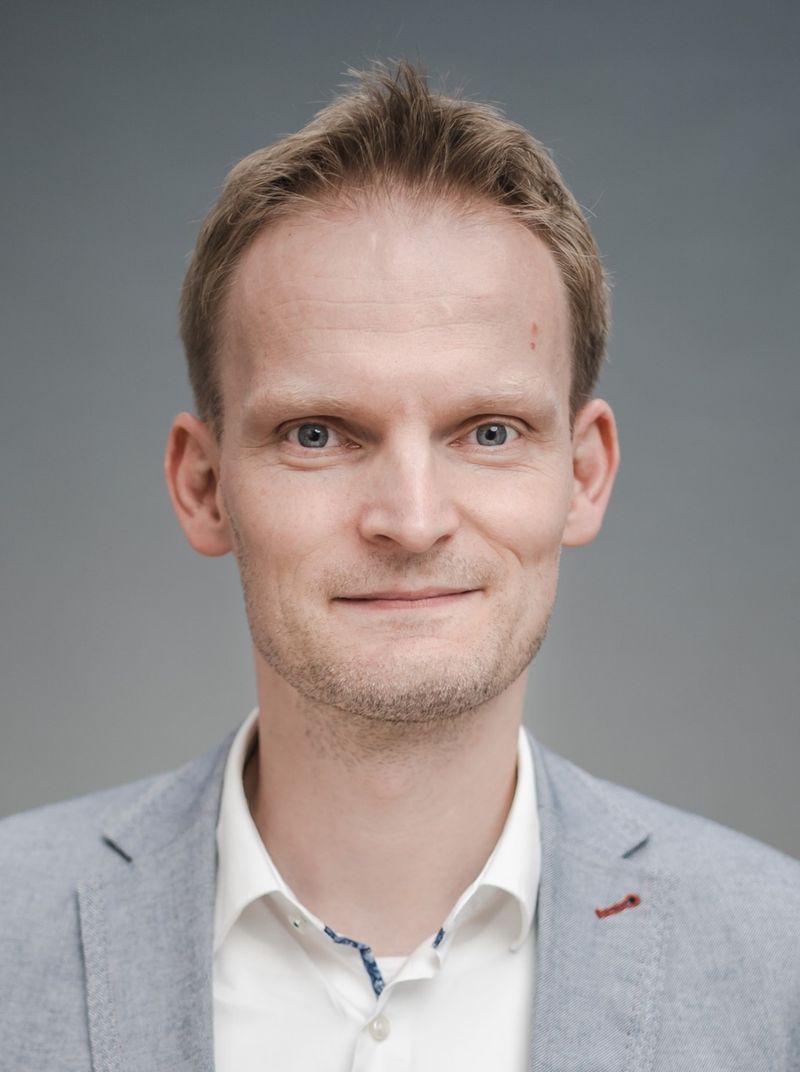
Martin Kiffner is Head of Quantum Solutions and Hardware Modelling at planqc, where he leads around 30 researchers working out where neutral-atom quantum computers will be genuinely useful. A theoretical physicist by training, he spent over a decade in research at Oxford and at the Centre for Quantum Technologies in Singapore and was among the first to apply tensor networks to fluid dynamics. His main interest lies at the boundary between classical and quantum methods.
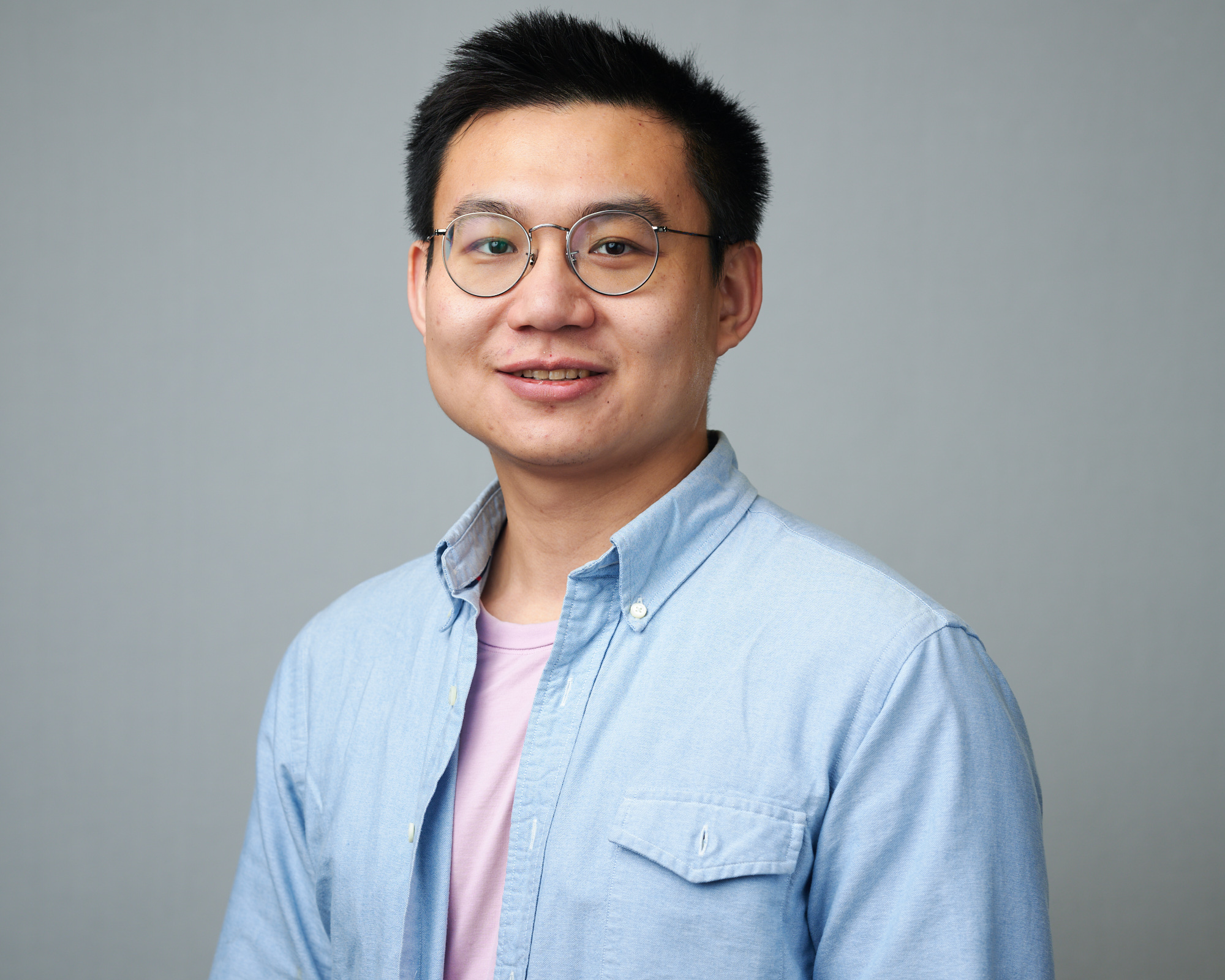
Bloqade: Software for Fault-Tolerant Quantum Computing with Neutral Atoms
Bloqade is the software stack we are building at QuEra Computing to program neutral-atom quantum computers. It brings together a compilation pipeline from quantum circuits to atom movements and control pulses, tools for exploring neutral-atom architectures, and an emulation environment for quantum error correction cycles, noisy circuits, and pulse dynamics. In this talk, I will give an accessible overview of Bloqade and the architecture research it supports, then discuss open questions for the community as we work toward fault-tolerant quantum computing with neutral atoms.
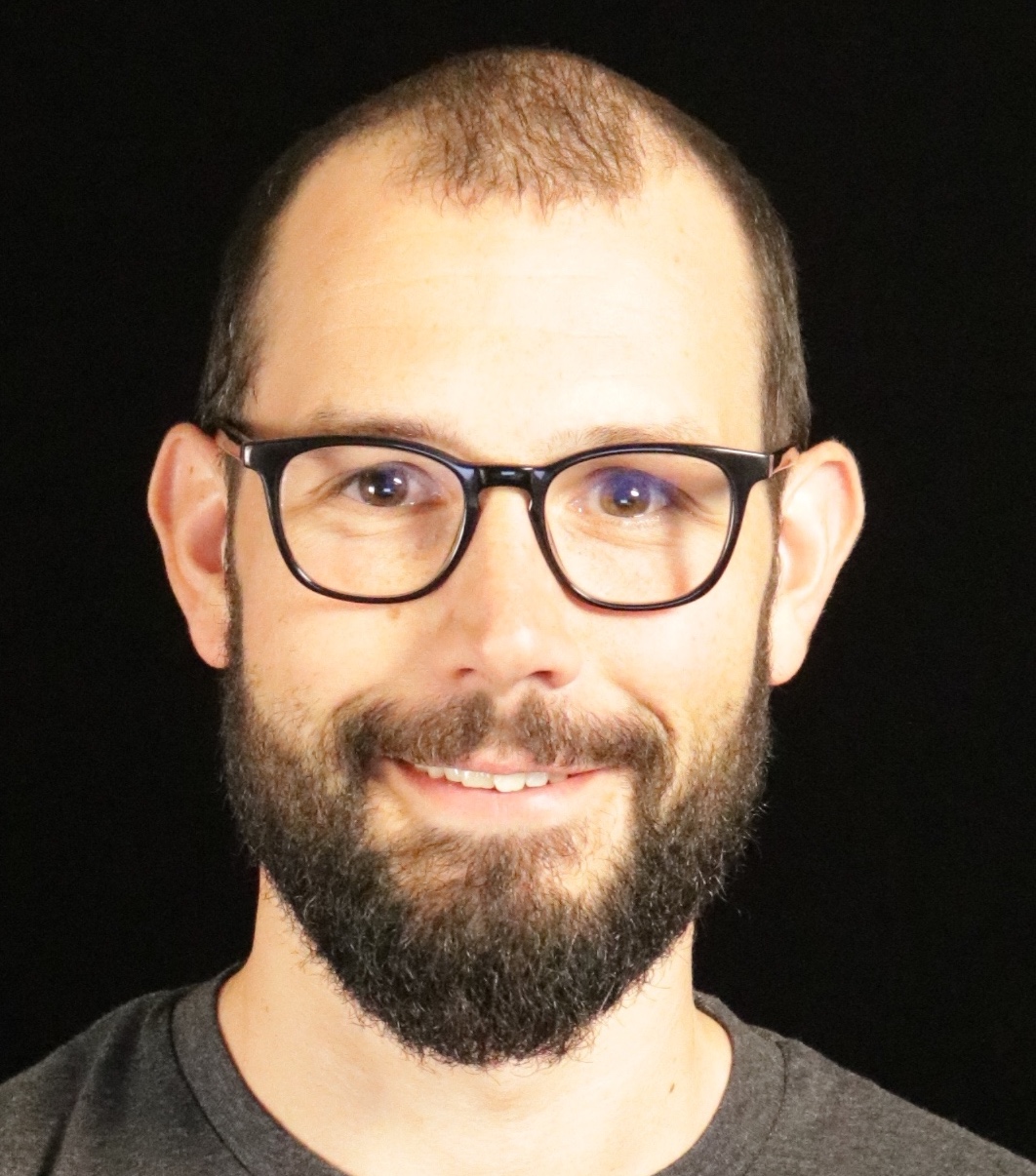
Xiu-Zhe (Roger) Luo is Director of Scientific Software at QuEra Computing, where he leads the development of quantum compilers, numerical tools, and algorithms for neutral-atom platforms. His interests span computational quantum many-body physics, machine learning, and open-source scientific software. He did his PhD work at the University of Waterloo and the Perimeter Institute. More: rogerluo.dev
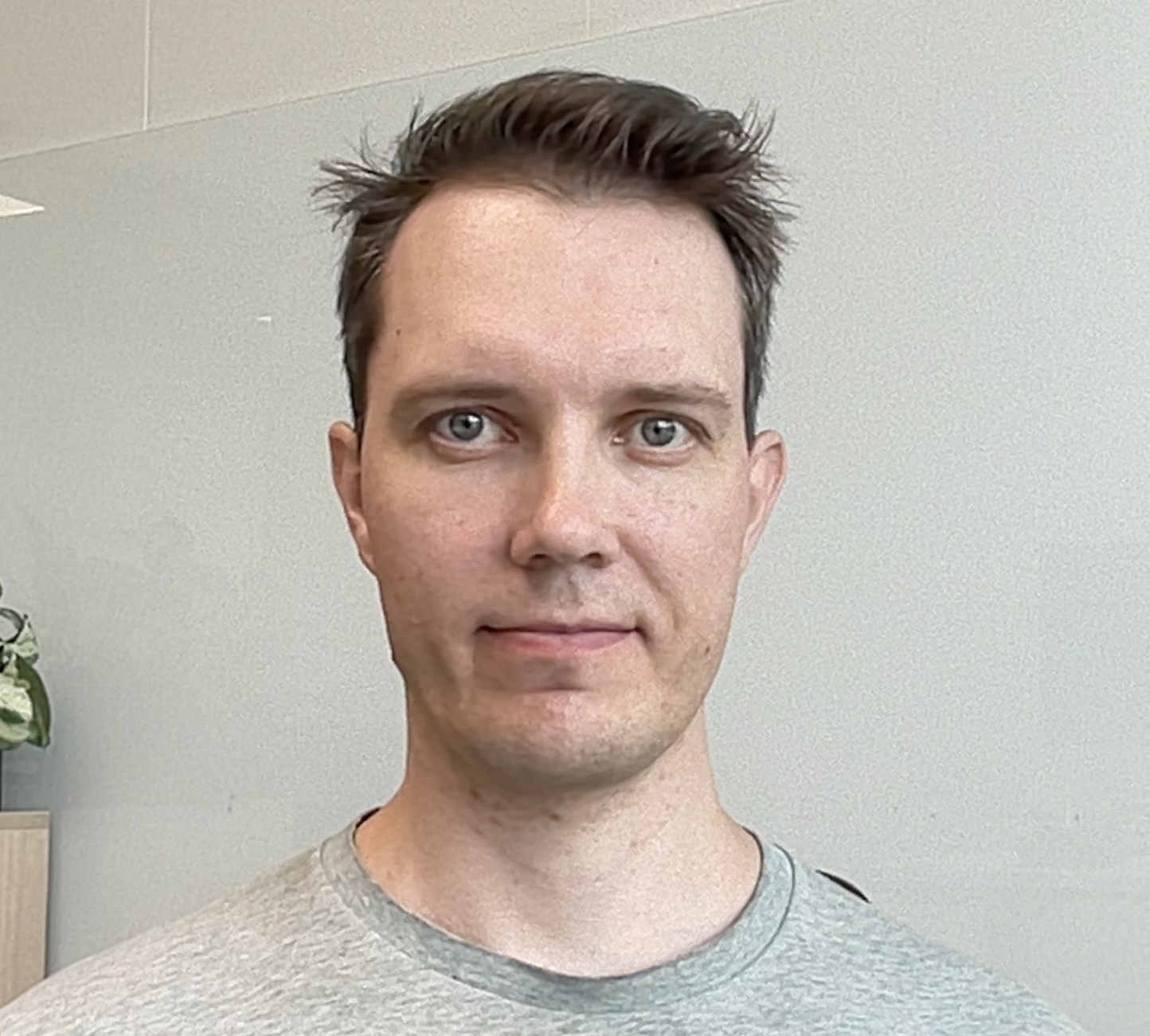
From NISQ to Fault Tolerance: An Open Architecture for Quantum Innovation
Quantum computers have transitioned from laboratory prototypes to production systems, and software serves as the critical bridge between hardware capabilities and end-user value. This talk traces IQM software path from present-day operational reality toward long-term, fault-tolerant quantum computing. We will explore our open approach for software stack, what it means today and in the future and how it helps move QEC research even more into experimental work on superconducting quantum computers.
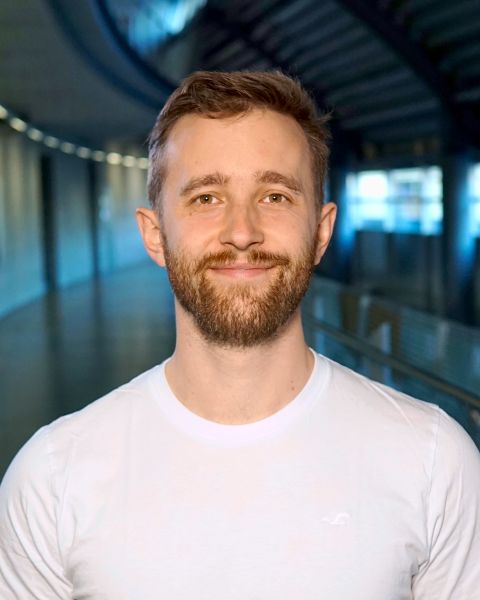
Janne Mäntylä is Head of Software Development at IQM Quantum Computers, a global leader in quantum computers sold and delivered to customers. He leads the organization building software that on one side controls the electronics instruments and on the other side provides programming frameworks for users and researchers. Before leading the department, Janne worked as a Lead Software Engineer, building hands-on the software that controls the company's quantum computers.
ORNL
Robert Wille
IBM
Xanadu
Hide presentations
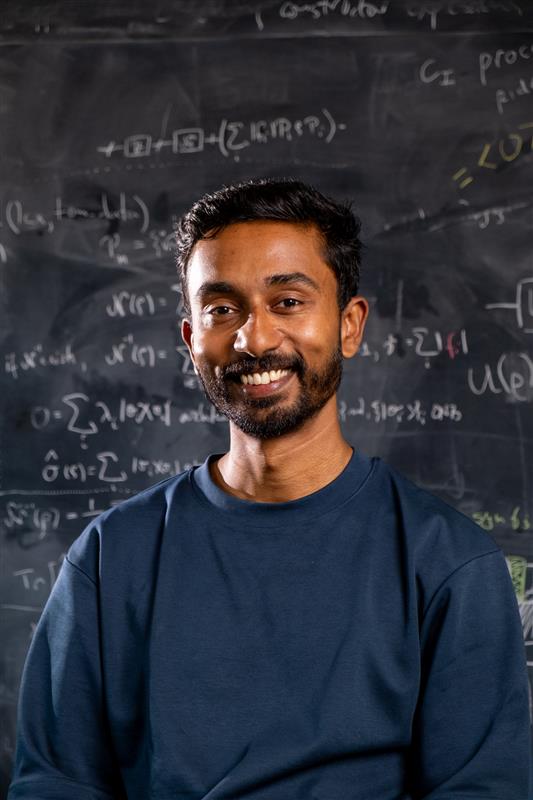
Guppy in action: practical quantum software development
Guppy is Quantinuum’s quantum programming language, built for production use and running on real quantum computers. It lets developers combine quantum and classical computation, write programs that respond to measurement results, and catch common mistakes before execution, all using familiar Pythonic syntax.
Through live demos that attendees can follow along with, this talk demonstrates Guppy’s capabilities for developing quantum software beyond static circuits. We’ll then introduce recent extensions for quantum error correction and fault-tolerant programming, alongside reusable algorithm building blocks that help developers adapt their programs as hardware and error-correction strategies evolve.
Seyon is Chief Architect for Developer Tools at Quantinuum, based primarily in the Cambridge, UK office. This includes the programming language Guppy, the intermediate representation HUGR, the TKET compiler and emulation tooling. Seyon joined Quantinuum in 2017 with a background in physics and initially worked on the original TKET project, followed by the Tierkreis hybrid workflow engine.
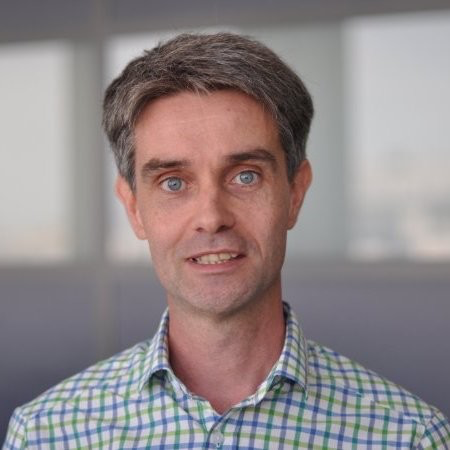
Quandela
Hide presentations
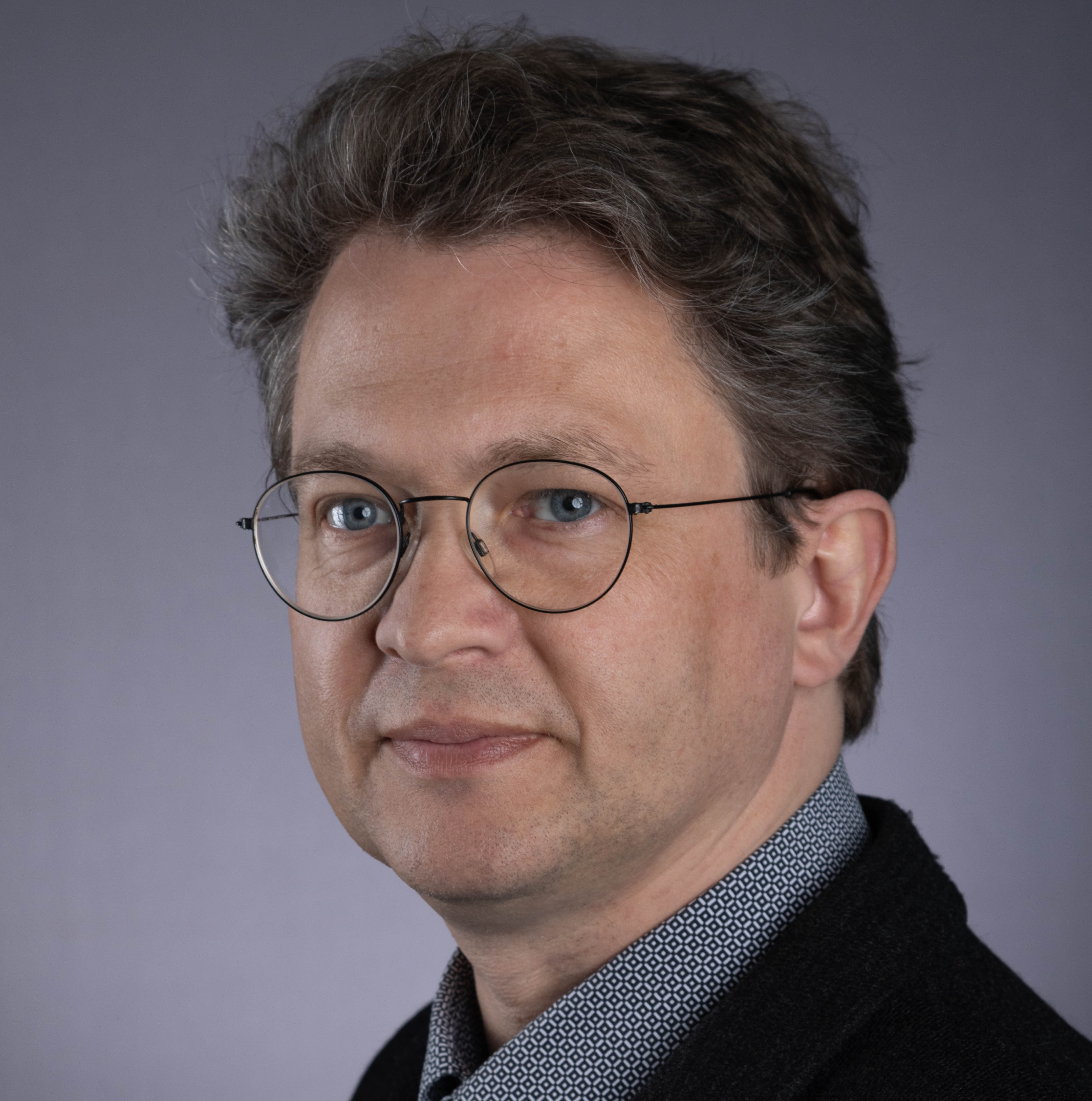
Making Quantum devices just another IT component: An Integrator’s view
Quantum computing is evolving from individual NISQ device ‘snowflakes’ toward error-corrected building blocks integrated into distributed Quantum-HPC systems. This transition introduces new challenges related to infrastructure, operations, and software. We believe these challenges need to be addressed well before roadmaps predict fault-tolerant quantum computing (FTQC) devices will reach the scale required for broad integration around 2030. We will discuss environmental, energetic, system management, and software requirements based on the assumption that QPUs may become as ubiquitous as other accelerators within a decade.
Utz-Uwe Haus, Sr. Distinguished Technologist and Director of the HPE EMEA Research Lab (ERL), studied mathematics and computer science at the Technical University of Berlin (TU Berlin) and holds a doctorate in mathematics from the University of Magdeburg (Germany). He worked on nonstandard applications of mathematical optimization in chemical engineering, material science, and systems biology. After five years as senior researcher at the Department of Mathematics of ETH Zürich, he co-founded CERL, the CRAY EMEA Research Lab in 2015, which he transformed into the EMEA part of Hewlett Packard Labs. His current interests focus on enabling middleware for sustainable and secure usage of HPC/AI systems, quantum system integration and digital twins.
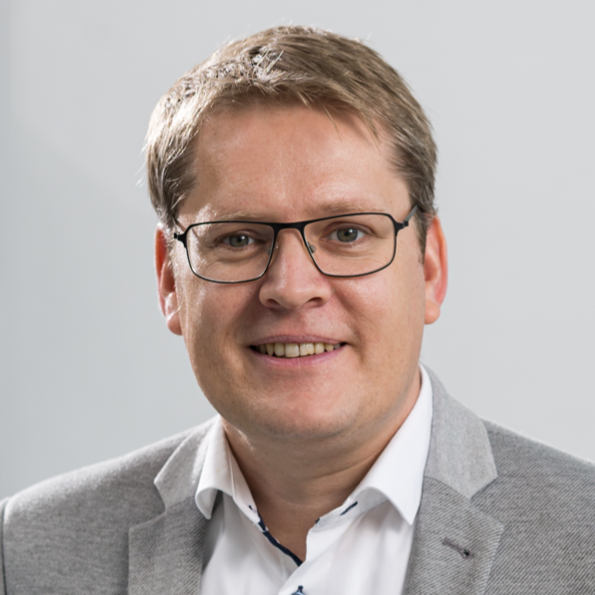
FZ Jülich
Pasqal
tqec: Compiling to state-of-the-art lattice surgery
Lattice surgery is a complex and rapidly evolving field, and the tqec community, now over 1200 people from around the world, exists to both enable people to learn this field and provide an open source tool to study and advance it. In this talk I will review how both the literature and the tqec tool have advanced over the last 12 months, and the exciting road ahead.
Dr. Austin Fowler is an independent researcher with a passion for open access learning and collaborative work. The tqec project, his sole focus these days, was born at the MQSF in 2023. He has been involved in topological quantum error correction since 2008, and has participated in numerous theoretical and experimental milestones on the path to realizing a practical large-scale quantum computer.
Throughout the event, a dedicated MQSF Community Area with tables will be available for informal discussions, follow-up meetings, demonstrations, hands-on sessions, and deeper technical exchanges. Feel free to invite attendees to join you in that area afterwards.
If you would like to reserve a table for a dedicated discussion, demo, tutorial, hands-on session, or similar gathering, add that to the timetable below or write a mail to robert@mq.sc. We will be happy to reserve a table and provide a corresponding sign indicating the activity and time.
Beyond that, we encourage everyone to use the community area spontaneously as a place for community-driven discussions and networking throughout the event.
Anyone can add or edit an event in the timetable below. No sign-in needed.
October 2026
October 2026
All times are in Munich · CEST (UTC+2).
Side-event hours will be confirmed.
Click or drag empty calendar space to add an event in 15-minute steps. Select an event for its description, intended audience, or to make changes.
MQSF 2026